AI Fatigue in Microstock: Why Authentic Assets, Clean Vectors, and Smart Metadata Are Winning Again
As synthetic visuals flood Adobe Stock, Shutterstock, and Freepik, creative buyers are pivoting back to real craftsmanship, editable vector geometry, and precision discoverability.
M
MAHESAPP
4 min read · November 25, 2026
Moving beyond generic synthetic clutter: authentic imagery, clean vector curves, and precise metadata now define top-performing microstock portfolios.
For the past two years, the loudest debate across Adobe Stock, Shutterstock, and Freepik has been whether generative AI would wipe out independent microstock contributors. In 2026, a very different story is playing out on the buyer side: AI fatigue has officially arrived.
Marketing teams, art directors, and small brands are actively filtering out glossy, overly symmetrical "plastic" visuals. Audiences now spot generic synthetic imagery in a fraction of a second—and worse, they associate it with low effort and low trust. That backlash is creating a clear reset for contributors who know where real commercial demand is moving.
1. The Rebellion Against "Over-Perfection"
Over-polished studio clichés have been losing traction for years, and the wave of synthetic stock simply accelerated their decline. Today's highest-performing commercial searches lean heavily toward radical authenticity:
Tactile imperfection: Subtle film grain, natural shadows, honest desk clutter, and analog warmth immediately signal human-made credibility.
Localized real-world context: Global brands are tired of homogenized generic scenes. Regional streetscapes, authentic workspaces, local food culture, and age-diverse everyday people consistently beat sterile studio setups.
Documentary utility: Editorial and commercial buyers want believable storytelling around real shifts—renewable energy, remote craftsmanship, community businesses, and everyday mobile workflows.
Buyers aren't paying for perfection anymore—they're paying for believability and assets they can actually edit without fighting broken files.
2. Why Clean Vectors (SVG & EPS) Still Hold a Technical Moat
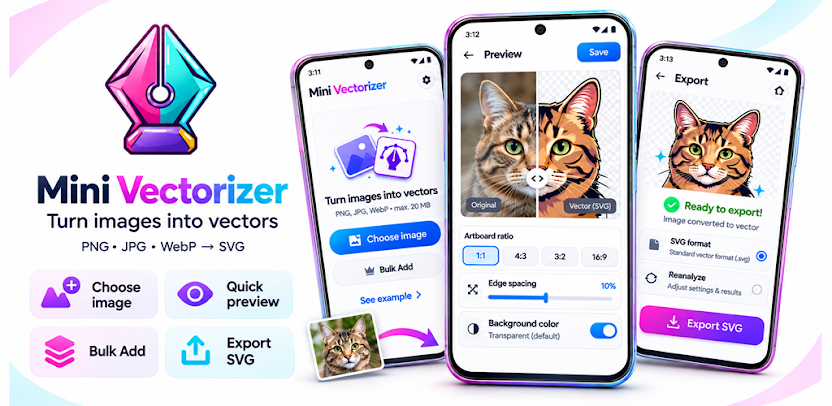
While text-to-image models improved dramatically at raster textures, production-ready vector files remain a major weak spot for raw AI outputs. Anyone who has tried opening an auto-generated AI vector in Illustrator or Inkscape knows the pain: hundreds of unnecessary anchor points, broken open paths, messy overlapping shapes, and ungrouped layers that turn a quick color change into a 30-minute cleanup job.
That technical friction is gold for vector contributors. Agencies, UI designers, print shops, and merch creators still gladly license cleanly built SVG and EPS assets—especially:
Modular icon families and UI illustrations with consistent stroke weights and aligned grids.
Infographic kits and data diagrams where buyers can quickly swap brand colors and typography.
Cut-ready silhouettes, emblems, and seamless patterns with closed paths and minimal anchor nodes.
Niche industry packs (fintech, logistics, sustainability, maker crafts) rather than generic abstract backgrounds.
Combining clean vector geometry or authentic photography with structured metadata turns scattered uploads into discoverable commercial assets.
3. Native Vertical Video & Strategic Micro-Batches
If you also shoot footage, framing matters more than ever. With short-form channels driving most ad budgets, agencies report sustained buyer preference for native vertical video rather than cropped horizontal 4K clips. Composing specifically for vertical space—leaving clean negative space at the top or bottom for ad headlines—makes your clips immediately usable for performance marketers.
The same principle applies to planning shoots and illustration sets. Instead of uploading one-off random subjects, top earners build focused micro-batches of 15 to 30 cohesive assets around a single commercial theme, upcoming seasonal moment, or industry trend. Cohesive sets increase the odds that a buyer licenses multiple files from your portfolio in a single session.
4. Use AI Where It Actually Wins: Metadata & Discoverability
Here is the real paradox of modern microstock: you shouldn't compete with AI by flooding marketplaces with raw AI art, yet ignoring AI in your backend workflow will leave you behind.
As marketplaces grow noisier, ranking depends heavily on precise titles and relevant, non-spammy keywords. Writing unique, buyer-focused titles and 30–50 accurate keywords manually for every batch of photos, vectors, or videos burns hours that could go into creating better assets.
Smart contributors now automate the repetitive part—using dedicated metadata tools to draft clean, structured titles and targeted keywords directly from their images or videos, then doing a fast human pass to lock in niche commercial terms before uploading.
Microstock is not dead—it is simply filtering out low-effort volume. Contributors winning in 2026 are treating their portfolios like specialized design libraries: authentic human storytelling, technically spotless SVG/EPS files, intentional mobile-first framing, and sharp metadata that puts the right asset in front of the right buyer.
Double down on the craft that synthetic generators still struggle to fake, streamline your keywording workflow, and let quality compound across every upload.